by renee | Aug 18, 2026 | Tax Resolution, Tax Resolution
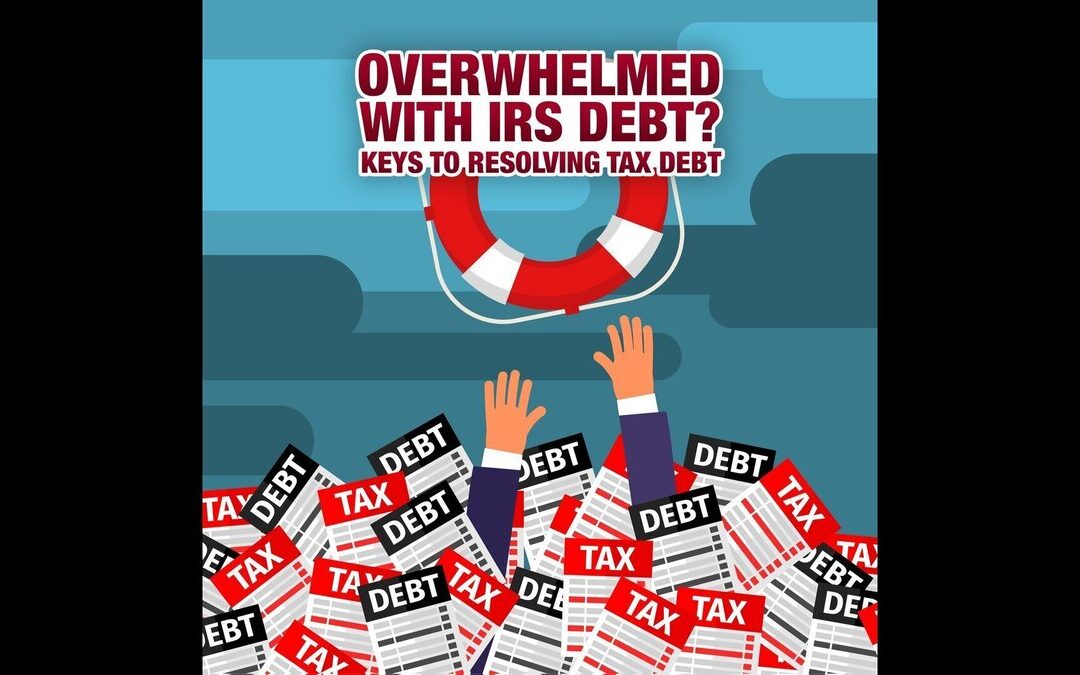
Finding out you owe money to the IRS can be overwhelming. Whether it’s a few thousand dollars or much more, many taxpayers panic or worse, avoid the problem altogether. Unfortunately, the wrong decisions can turn a manageable tax issue into a much larger financial burden.
The good news is that IRS tax debt doesn’t always have to end in wage garnishments, bank levies, or aggressive collection actions. By understanding the most common mistakes people make, you can take proactive steps to protect your finances and work toward resolving your tax debt.
At [insert your company name], we resolve IRS tax debt for taxpayers every day. If you still have questions after reading this blog, or need help resolving your tax issue, call us at 937-268-2737 or visit www.ActionTaxRelief.com.
1. Ignoring IRS Notices
One of the most common and costly mistakes is simply ignoring letters from the IRS.
The IRS doesn’t immediately levy bank accounts or garnish wages. Instead, it sends a series of notices explaining what you owe and what actions may be taken if the balance remains unpaid. Ignoring these notices doesn’t make the debt go away. In fact, it usually limits your options and increases the likelihood of collection action.
2. Waiting Too Long to Get Help
Many people hope their financial situation will improve before dealing with their tax debt. While that may seem reasonable, waiting often allows penalties and interest to continue growing.
The earlier you address your tax problem, the more resolution options may be available.
3. Failing to File Tax Returns
Some taxpayers avoid filing because they know they can’t afford to pay. This is a costly mistake.
The IRS generally requires all required tax returns to be filed before considering many relief programs. In addition, the failure-to-file penalty is often much higher than the failure-to-pay penalty.
Even if you can’t pay your balance in full, filing your return on time is usually the better option.
4. Assuming There’s Only One Solution
Many people believe they have only two choices: pay the IRS in full or face collection actions.
In reality, the IRS offers several programs that may help qualifying taxpayers, including:
- Currently Not Collectible status
The right solution depends on your unique financial situation.
5. Cashing Out Retirement Savings Without Exploring Other Options
Some taxpayers withdraw money from retirement accounts to pay the IRS immediately.
While this may seem like the quickest solution, it can create additional taxes, early withdrawal penalties, and long-term financial consequences. Before making a decision that could affect your future, it’s important to understand all of your available options.
6. Believing Tax Resolution Scams
If you’ve searched online for tax help, you’ve probably seen ads promising to “settle your tax debt for pennies on the dollar.”
While an Offer in Compromise is a legitimate IRS program, not everyone qualifies. Be cautious of any company that guarantees specific results before reviewing your financial situation.
A reputable tax resolution firm will evaluate your case first and recommend the solution that best fits your circumstances.
7. Trying to Handle Complex IRS Issues Alone
Simple tax issues can often be resolved without professional assistance. However, when significant tax debt, payroll tax issues, liens, levies, or audits are involved, the process can quickly become complicated.
Working with an experienced tax resolution professional can help you understand your options, communicate with the IRS effectively, and avoid costly mistakes.
Take Action Before Your Tax Problem Gets Worse
IRS tax debt rarely resolves itself. The longer you wait, the more penalties and interest can accumulate, and the greater the risk of collection actions such as bank levies, wage garnishments, or tax liens.
Remember, the IRS generally wants taxpayers to resolve their debts not ignore them. Taking action early often gives you more flexibility and may help you avoid unnecessary stress, additional costs, and more aggressive collection efforts.
Schedule Your Free Consultation
If you’re struggling with IRS tax debt, you don’t have to face it alone.
Our experienced tax resolution team can review your situation, explain your options, and help you develop a strategy to resolve your tax debt.
Call Action Tax Relief at 937-268-2737 or visit www.ActionTaxRelief.com to schedule your FREE, no-obligation consultation and take the first step toward putting your IRS tax problems behind you.
by renee | Aug 4, 2026 | Tax Resolution, Tax Resolution
Business Owner Should Know
Running a business comes with enough challenges without having to worry about the IRS. Unfortunately, if your business falls behind on payroll taxes, income taxes, or other federal tax obligations, the IRS has powerful collection tools that can seriously impact your operations.
The good news is that IRS collection actions don’t happen overnight. Understanding the process and acting quickly can help you protect your business and resolve your tax issues before they become more costly.
At [insert your company name], we help business owners facing IRS tax debt. If you still have questions after reading this blog, or need help resolving your tax issue, call us at9
937-268-2737 or visit www.ActionTaxRelief.com.
Common IRS Collection Actions Against Businesses
When taxes go unpaid, the IRS may take several steps to collect the balance owed, including:
- Filing a federal tax lien against your business: A tax lien is the government’s legal claim against your business’s property because of unpaid taxes.
- Levying business bank accounts: If the IRS issues a bank levy, it can freeze and seize funds from your business bank account to satisfy the tax debt.
- Garnishing payments owed to your business: In some cases, the IRS can require your customers or other third parties who owe your business money to send those payments directly to the IRS instead.
- Seizing business assets in certain situations: Although less common, the IRS has the authority to seize business assets such as equipment, vehicles, inventory, or even real estate if other collection efforts are unsuccessful.
- Assessing additional penalties and interest: Unpaid tax balances continue to grow over time as penalties and interest accrue.
- Pursuing the Trust Fund Recovery Penalty (TFRP): For businesses with unpaid payroll taxes, the IRS may hold owners, officers, or other individuals who were responsible for collecting and paying employment taxes personally liable for the trust fund portion of those taxes.
These actions can disrupt cash flow, damage your business’s reputation, and make it harder to continue operating.
Don’t Ignore IRS Notices
One of the biggest mistakes business owners make is ignoring IRS letters. Every notice includes important information about your balance, deadlines, and your rights.
Responding early often provides more options for resolving your tax debt before enforced collection begins.
File Your Tax Returns on Time
Even if you can’t afford to pay your tax bill in full, it’s critical to file all required tax returns. Failure-to-file penalties are often more severe than failure-to-pay penalties, and the IRS generally won’t consider many resolution options until all required returns have been filed.
Staying current with your filing obligations is one of the most important steps you can take.
Prioritize Payroll Tax Compliance
For businesses with employees, payroll taxes deserve immediate attention. The IRS treats unpaid payroll taxes very seriously because employers are holding money that belongs to employees and the government. In some cases, business owners, officers, or other responsible individuals can become personally liable for certain unpaid payroll taxes through the Trust Fund Recovery Penalty.
If you’re struggling to keep up with payroll tax deposits, seek professional guidance as soon as possible.
Communicate With the IRS
If you know your business cannot pay its tax debt immediately, don’t wait for the IRS to escalate collection efforts.
Depending on your circumstances, you may qualify for options such as:
- An IRS installment agreement
- Currently Not Collectible status
- An Offer in Compromise (for qualifying taxpayers)
The right solution depends on your business’s financial situation, compliance history, and the amount owed.
Keep Accurate Financial Records
Well-organized financial records make it much easier to respond to IRS requests and evaluate your available resolution options.
Maintain up-to-date records of:
Good documentation can help prevent delays and support your case during negotiations with the IRS.
Get Professional Help Before Collections Escalate
The sooner you address your IRS tax problem, the more options you may have to resolve it before collection actions become more serious.
A qualified tax resolution professional can review your situation, communicate with the IRS on your behalf, and help you find the best path to resolving your tax debt so you can focus on running your business.
Schedule Your Free Consultation Today
If your business is dealing with IRS tax debt or collection actions, don’t wait. The sooner you act, the more options you may have.
Call Action Tax Relief at 937-268-2737 or visit www.ActionTaxRelief.com to schedule your FREE, no-obligation consultation and take the first step toward resolving your IRS tax problem.
